Super Mario Bros. 2: The 1980s Nintendo Classic That Redefined the Mushroom Kingdom
When you think of the 1980s, a few icons instantly come to mind: neon colors, Saturday morning cartoons, boomboxes, and of course, the Nintendo Entertainment System. And among the NES’s legendary lineup, Super Mario Bros. 2 stands out as one of the most memorable — and most unusual — games of the decade.
Released in North America in 1988, Super Mario Bros. 2 wasn’t just another sequel. It was a bold, colorful, and completely unexpected twist on the Mario universe. For many gamers, it became one of the defining experiences of late‑’80s gaming culture.
On this page, you’ve included the original Super Mario Bros. 2 commercial, and it’s the perfect way to transport visitors straight back to the era when Nintendo ruled living rooms across the world. Before they hit play, let’s dive into the history, gameplay, characters, and legacy of this unforgettable 8‑bit adventure.
🎮 The Surprising Origins of Super Mario Bros. 2
To understand why Super Mario Bros. 2 feels so different from the rest of the series, you have to go back to the mid‑1980s.
The Real Story Behind the Sequel
After the massive success of the original Super Mario Bros., Nintendo created a direct sequel — Super Mario Bros. 2 (known today as “The Lost Levels”). But it was brutally difficult, designed for expert players, and Nintendo of America felt it was too frustrating for the U.S. market.
So Nintendo did something unexpected.
They took a Japanese game called Yume Kōjō: Doki Doki Panic, replaced its characters with Mario, Luigi, Toad, and Princess Toadstool, and reworked the gameplay to fit the Mario universe. The result was a sequel that looked like Mario… but played like something entirely new.
A Bold Move That Paid Off
Far from being a disappointment, the American version of Super Mario Bros. 2 became a massive hit. Its unique mechanics, colorful worlds, and quirky enemies made it one of the most memorable games of the NES era.
🌈 A New Kind of Mario Adventure
Unlike the original game, Super Mario Bros. 2 introduced mechanics that were completely new to the series — many of which became fan favorites.
Four Playable Characters
For the first time ever, players could choose between:
- Mario – Balanced and reliable
- Luigi – High jumper with slippery traction
- Princess Toadstool (Peach) – Could float in mid‑air
- Toad – Fast and strong, perfect for digging and lifting
This character‑select screen was revolutionary in 1988. It gave players the freedom to approach each level in different ways, adding replay value and strategy.
Picking Up and Throwing Objects
Instead of stomping enemies, players could:
- Pick up vegetables
- Lift enemies
- Throw items as weapons
- Dig through sand
- Ride magic carpets
This mechanic completely changed the feel of the game and made it stand out from every other platformer of the decade.
A Dreamlike World
The game takes place in Subcon, a surreal dream world filled with:
- Flying masks
- Shy Guys and Snifits
- Giant whales
- Magic potions
- Doors to alternate dimensions
It was weird, whimsical, and wonderfully ’80s.
👾 The Enemies That Became Mario Legends
Even though Super Mario Bros. 2 started as a different game, many of its characters became permanent fixtures in the Mario universe.
Shy Guys
These masked enemies made their debut here and went on to appear in dozens of Mario games, from Yoshi’s Island to Mario Kart.
Birdo
The egg‑shooting boss became a recurring character and even a playable racer in Mario Kart: Double Dash!!.
Bob‑ombs
These walking explosives became one of the most iconic Mario enemies of all time.
Pokey
This cactus‑stacked creature originally appeared in Super Mario Bros. 2 and later became a staple enemy in desert levels across the Mario franchise. Its slow, towering movement made it both intimidating and iconic.
Wart: The Final Boss
Instead of Bowser, players faced Wart, a frog‑like tyrant who ruled Subcon. Defeating him required throwing vegetables into his mouth — a quirky twist that perfectly matched the game’s surreal tone. Wart never became a recurring villain, but his one‑time appearance left a lasting impression on ’80s gamers.
🌍 The Worlds of Subcon: A Dreamscape of 1980s Creativity
One of the reasons Super Mario Bros. 2 stands out is its imaginative world design. Each level feels like a dream — because, as players discover at the end, the entire adventure is a dream.
Seven Worlds of Surreal Adventure
The game features seven worlds, each with its own theme:
- Grassy plains
- Desert landscapes
- Snowy mountains
- Underground caverns
- Cloud‑filled skies
- Forests and waterfalls
- Wart’s castle
Each world introduced new mechanics, enemies, and challenges. The level variety was a huge leap forward for platformers in the 1980s.
Vertical Exploration
Unlike the original Super Mario Bros., which focused mostly on horizontal movement, Super Mario Bros. 2 encouraged players to climb, dig, and explore vertically. This added a sense of depth and discovery that felt groundbreaking at the time.
Secret Doors and Hidden Rooms
Using magic potions, players could create temporary doors that led to shadowy mirror worlds. These areas often contained coins, mushrooms, or shortcuts — a mechanic that rewarded curiosity and experimentation.
🎥 The 1980s Commercial: A Blast of Retro Nintendo Energy
On your page, you’ve included the original Super Mario Bros. 2 commercial, and it’s the perfect time capsule of late‑’80s marketing. Nintendo ads from this era were loud, colorful, and full of energy — just like the games themselves.
The commercial captures:
- The excitement of a brand‑new Mario adventure
- The introduction of four playable characters
- The game’s unique mechanics
- The sense of discovery that defined the NES era
Encourage your readers to hit play and relive the hype that surrounded the game’s release. For many, this commercial was their first glimpse of a sequel that looked nothing like the original — and that mystery made it irresistible.
🕹️ Gameplay That Broke the Mold
Super Mario Bros. 2 didn’t just look different — it played different.
Health System
Instead of instant death from a single hit, players had a health meter. Hearts could be collected to increase maximum health, making the game more forgiving and accessible.
Boss Battles
Each world ended with a boss fight, often against recurring mini‑boss Mouser, the bomb‑throwing rodent. Other bosses included:
- Tryclyde, the three‑headed snake
- Fryguy, a flaming creature
- Clawgrip, a giant crab
These battles required strategy rather than simple stomping, adding depth to the gameplay.
Character Abilities
Choosing the right character for each level became part of the fun. For example:
- Luigi’s high jump was perfect for vertical levels
- Toad’s speed made him ideal for digging stages
- Peach’s floating ability helped navigate tricky platforms
This level of choice was rare in 1980s platformers and helped Super Mario Bros. 2 stand out.
🎨 A Visual Style That Defined Late‑’80s Gaming
The game’s art direction was bold, colorful, and unmistakably 1980s. Compared to the more subdued palette of the original Super Mario Bros., this sequel exploded with:
- Bright pinks, blues, and greens
- Cartoonish enemies
- Whimsical backgrounds
- Surreal dreamlike environments
The NES hardware was pushed to its limits, and the result was one of the most visually striking games of the decade.
🎵 The Music of Super Mario Bros. 2
Composer Koji Kondo delivered another unforgettable soundtrack. The music is upbeat, catchy, and instantly recognizable to anyone who grew up in the ’80s.
Memorable tracks include:
- The overworld theme, full of bounce and energy
- The underground theme, mysterious and rhythmic
- The boss theme, fast and intense
- The ending theme, triumphant and emotional
These melodies became part of the soundtrack of childhood for millions of players.
🛌 The Big Twist: It Was All a Dream
At the end of the game, players discover that the entire adventure took place inside Mario’s dream. This twist was unusual for the time and helped explain the game’s surreal tone.
The dream ending also gave Nintendo freedom to experiment without altering the core Mario canon — a clever storytelling move that fit perfectly with the game’s origins.
📦 Reception and Legacy
When Super Mario Bros. 2 launched in 1988, it became an instant hit.
Critical Reception
Reviewers praised:
- The colorful graphics
- The creative gameplay
- The character variety
- The imaginative world design
It was different — but in a good way.
Commercial Success
The game sold over 10 million copies, making it one of the best‑selling NES titles of all time.
Long‑Term Impact
Even though the game began as a reskin, its influence on the Mario franchise is undeniable. Characters like Shy Guy, Birdo, and Bob‑omb became permanent Mario staples. Peach’s floating ability returned in later games, and the game’s visual style inspired titles like Super Mario 3D World.
🕹️ Why Super Mario Bros. 2 Still Matters Today
More than 35 years later, Super Mario Bros. 2 remains a beloved classic. Here’s why it continues to resonate:
1. It Represents 1980s Creativity
The ’80s were a decade of experimentation, and this game embodies that spirit.
2. It’s Fun and Accessible
The health system, character variety, and forgiving difficulty make it enjoyable for players of all ages.
3. It’s Unique in the Mario Series
No other Mario game looks or plays quite like this one.
4. It’s a Nostalgia Powerhouse
For anyone who grew up with the NES, this game is pure childhood magic.
▶️ Watch the 1980s Commercial and Relive the Hype
It’s a blast of retro energy that captures everything great about 1980s gaming culture.
🌟 Final Thoughts: A True 1980s Classic
Super Mario Bros. 2 isn’t just a video game — it’s a piece of 1980s history. It represents a time when Nintendo was redefining entertainment, when every new game felt like a leap into the future, and when the Mushroom Kingdom was still full of surprises.
Whether you’re revisiting it for nostalgia or discovering it for the first time, Super Mario Bros. 2 remains one of the most charming, creative, and unforgettable games of the NES era.

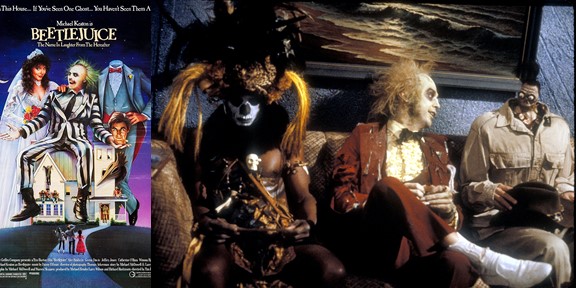
Beetlejuice Trailer – 1988
Beetlejuice is a 1988 American fantasy comedy film directed by Tim Burton, produced by the Geffen Company, and distributed by Warner Bros. Pictures.
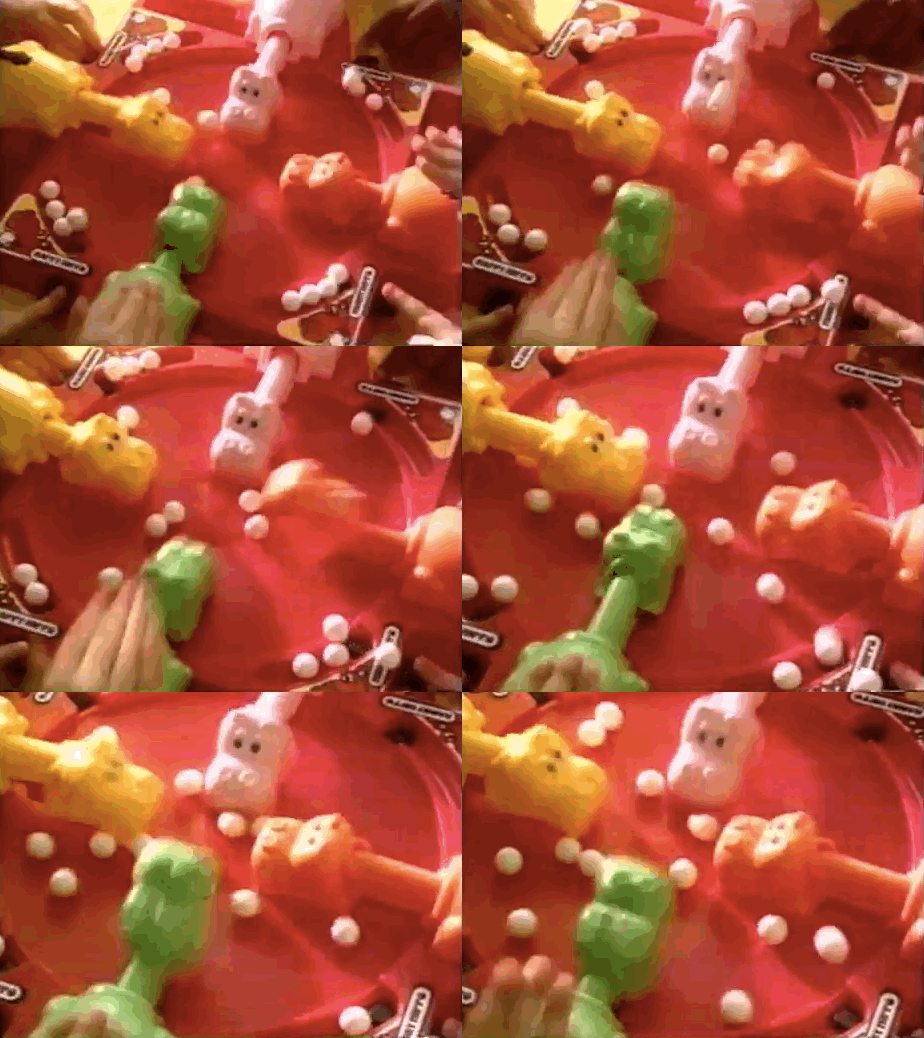
Hungry Hungry Hippos commercial
Hungry Hungry Hippos (or Hungry Hippos in some UK editions) is a tabletop game made for 2–4 players, produced by Hasbro, under the brand of its subsidiary, Milton Bradley.
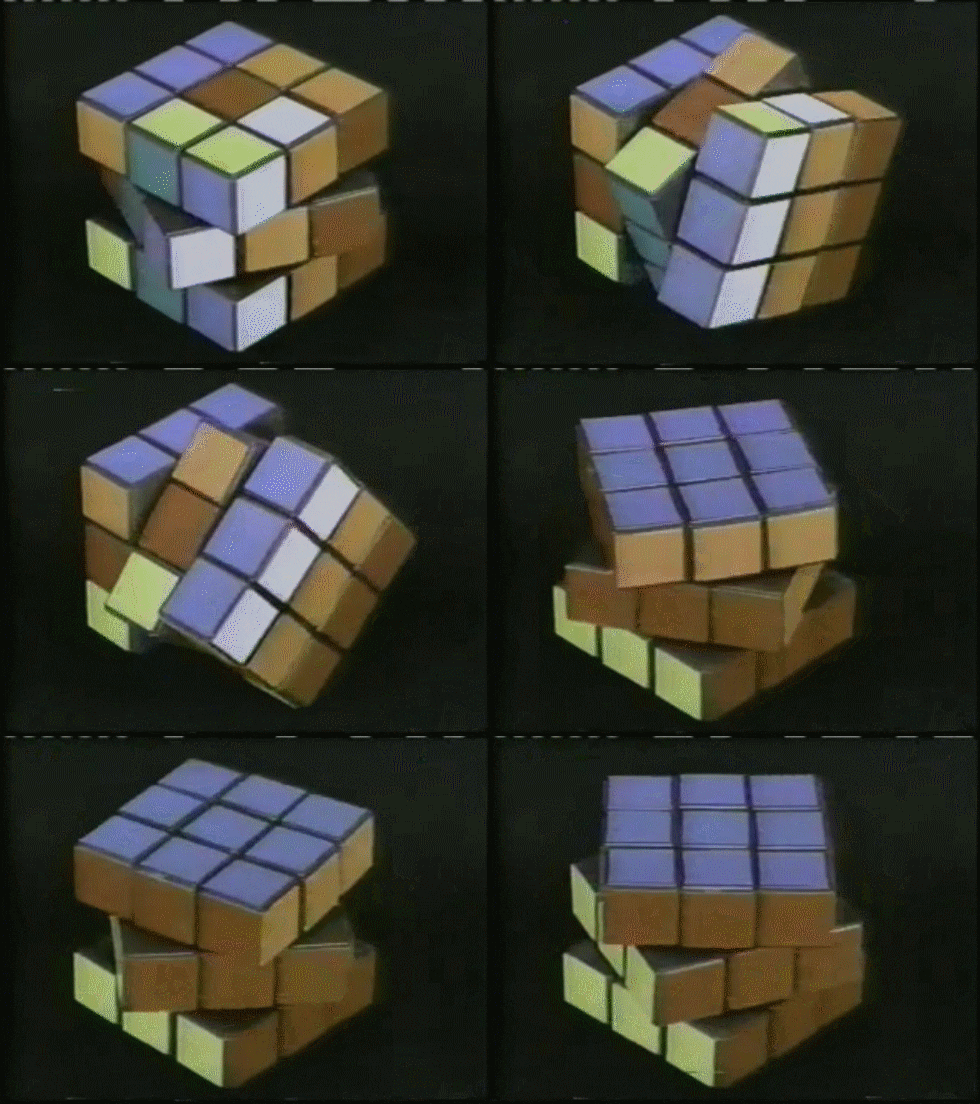
Modern Marvels: Gadgets of the 1980s
Remember “brick” cell phones, Pac-Man, Rubik’s Cube, Sony Walkman, and the first music CDs? Remember all the new and exciting gadgets of the 1980s?
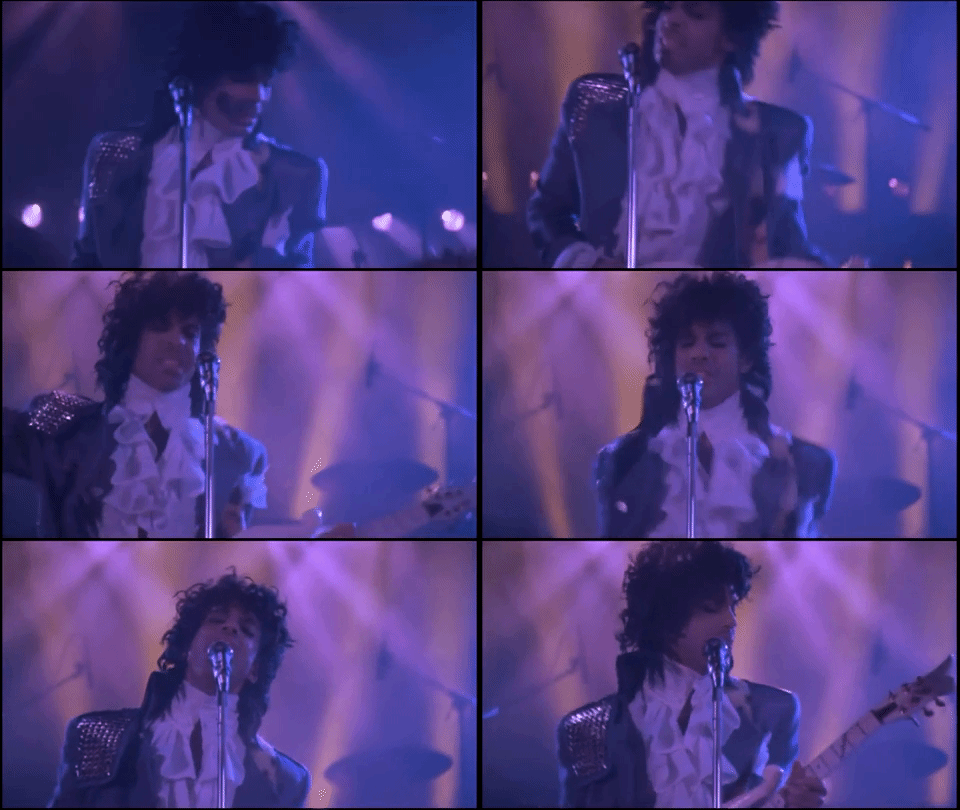
Purple Rain by Prince
“Purple Rain” is a song by American musician Prince and his backing band the Revolution. It is the title track from the 1984 album of the same name, which in turn is the soundtrack album for the 1984 film of the same name starring Prince.