“Annie” (1982): The Musical Movie That Lit Up the 80s With Optimism and Broadway Magic
Few films capture the heart, optimism, and theatrical charm of the early 1980s quite like “Annie”, the 1982 musical adaptation of the beloved Broadway show. Directed by John Huston and produced by Ray Stark, the film brought the iconic red‑haired orphan to the big screen with lavish sets, unforgettable performances, and a sense of joy that resonated with audiences of all ages. For many who grew up in the decade, Annie wasn’t just a movie — it was a childhood staple, a VHS favorite, and a cultural touchstone that defined family entertainment in the 80s.
This deep‑dive explores the film’s origins, production, cast, music, cultural impact, and lasting legacy as one of the most beloved musicals of the decade.
🎬 From Broadway to Hollywood: Bringing Annie to the Big Screen
Before it became a major motion picture, Annie was already a Broadway phenomenon. The stage musical, which debuted in 1977, was based on the long‑running comic strip Little Orphan Annie. Its upbeat tone, memorable characters, and show‑stopping songs made it a smash hit.
Hollywood took notice quickly. Producer Ray Stark secured the rights, and Columbia Pictures greenlit a big‑budget adaptation. What made the film unique was the choice of director: John Huston, known for gritty classics like The Maltese Falcon and The Treasure of the Sierra Madre. Huston had never directed a musical before, but his cinematic eye brought a grand, sweeping quality to the film.
The result was a movie that blended Broadway spectacle with Hollywood scale — a combination that made Annie stand out among early 80s musicals.
⭐ A Star‑Studded Cast That Brought Annie’s World to Life
One of the film’s greatest strengths is its cast, a mix of established stars and fresh young talent.
Aileen Quinn as Annie
Chosen from thousands of young actresses, Aileen Quinn delivered a spirited, heartfelt performance that made her instantly iconic. Her energy, charm, and emotional depth helped define the film’s tone.
Albert Finney as Oliver “Daddy” Warbucks
Finney brought gravitas and warmth to the role of the billionaire who opens his home — and eventually his heart — to Annie. His transformation from stern businessman to loving father figure is one of the film’s emotional anchors.
Carol Burnett as Miss Hannigan
Burnett’s comedic brilliance shines in her portrayal of the boozy, bitter orphanage matron. She balances humor and villainy in a way that makes Miss Hannigan unforgettable.
Tim Curry and Bernadette Peters as Rooster and Lily
This scheming duo adds flair, humor, and danger to the story. Curry’s charisma and Peters’ charm make them one of the most memorable villain pairs of the decade.
Ann Reinking as Grace Farrell
Reinking brings elegance and warmth to the role of Warbucks’ loyal assistant, adding emotional balance and heart to the film.
The ensemble cast helped elevate Annie from a simple children’s musical to a full‑fledged Hollywood event.
🎵 The Music: Broadway Hits Brought to Cinematic Life
The soundtrack is one of the film’s defining features. While we won’t quote lyrics, the songs themselves — from upbeat ensemble numbers to emotional ballads — became part of 80s pop culture.
The film includes beloved Broadway classics along with new songs written specifically for the movie. The musical numbers are staged on a grand scale, with elaborate choreography, sweeping camera movements, and vibrant set pieces that capture the magic of the era.
For many 80s kids, these songs became the soundtrack of childhood — played on vinyl, cassette, and eventually VHS tapes worn thin from repeated viewings.
🏙️ A Lavish Production That Captured the Spirit of the 1930s
Set during the Great Depression, Annie recreates 1930s New York with impressive detail. The film’s production design is one of its standout achievements:
- Massive orphanage sets
- A meticulously crafted Warbucks mansion
- A bustling, stylized version of Manhattan
- A climactic chase scene atop a towering bridge
The movie’s visual scale was enormous for its time. With a budget estimated at around $35 million, Annie was one of the most expensive musicals ever made up to that point.
The investment paid off visually — the film feels big, bright, and cinematic, perfectly suited for the early 80s era of blockbuster filmmaking.
🎞️ A Family Film That Defined 80s Home Entertainment
While Annie performed respectably in theaters, it became a true phenomenon in the home‑video market. The film was a staple of 80s living rooms, often taped off TV or rented repeatedly from local video stores.
Families watched it together, kids memorized the songs, and the movie became a go‑to choice for birthday parties, sleepovers, and rainy afternoons. Its accessibility and charm made it one of the decade’s most beloved family films.
🌟 Cultural Impact: Why Annie Became an 80s Icon
The film’s influence extended far beyond the screen.
1. A Generation of Fans
For many children of the 80s, Annie was their introduction to musicals. It sparked interest in theater, singing, and dance.
2. Fashion and Pop Culture
Annie’s red dress, curly hair, and optimistic spirit became instantly recognizable. The character appeared in merchandise, dolls, lunchboxes, and Halloween costumes.
3. A Symbol of Optimism
The film’s message — hope, resilience, and the belief that better days are ahead — resonated deeply during a decade defined by both economic challenges and cultural transformation.
4. A Musical Revival
The movie helped keep the Broadway show alive in the public consciousness, contributing to revivals, tours, and future adaptations.
🎥 Comparisons to Other 80s Musicals
The early 80s saw a resurgence of musical films, but Annie stood out for its scale and family appeal. While other musicals targeted teens or adults, Annie bridged generations. It offered:
- Broadway‑level music
- Hollywood spectacle
- A heartwarming story
- A cast that appealed to both kids and adults
This combination helped cement its place as one of the decade’s most enduring musicals.
🧡 Why Annie Still Matters Today
Decades later, Annie remains a beloved classic. It continues to be discovered by new generations through streaming, stage revivals, and cultural references. Its themes — hope, family, resilience — are timeless.
The film also stands as a reminder of a unique moment in Hollywood history, when studios invested heavily in musicals and embraced big, optimistic stories.
For 80s fans, Annie is more than a movie — it’s a nostalgic time capsule filled with heart, humor, and unforgettable performances.
⭐ Final Thoughts: Annie’s Place in 80s Pop Culture
The 1982 film Annie is a shining example of what made 80s entertainment so special: big emotions, bold visuals, memorable music, and a sense of joy that still resonates. Whether you grew up watching it on VHS or are discovering it for the first time, the film remains a charming, uplifting piece of cinematic history.
For any 1980s website, Annie is an essential part of the decade’s story — a film that captured the imagination of millions and continues to inspire smiles today.

READ MORE ON THE 1980’S
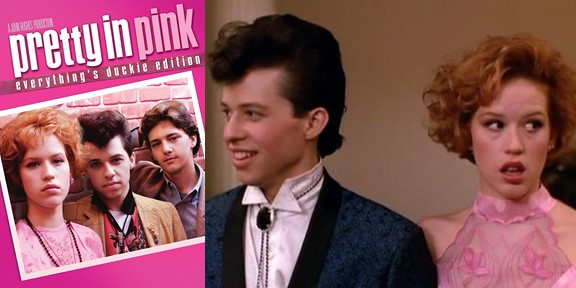
Pretty in Pink Trailer – 1986
Pretty in Pink is a 1986 American teen romantic comedy-drama film about love and social cliques in American high schools in the 1980s. A cult classic, it is commonly identified as a “Brat Pack” film.
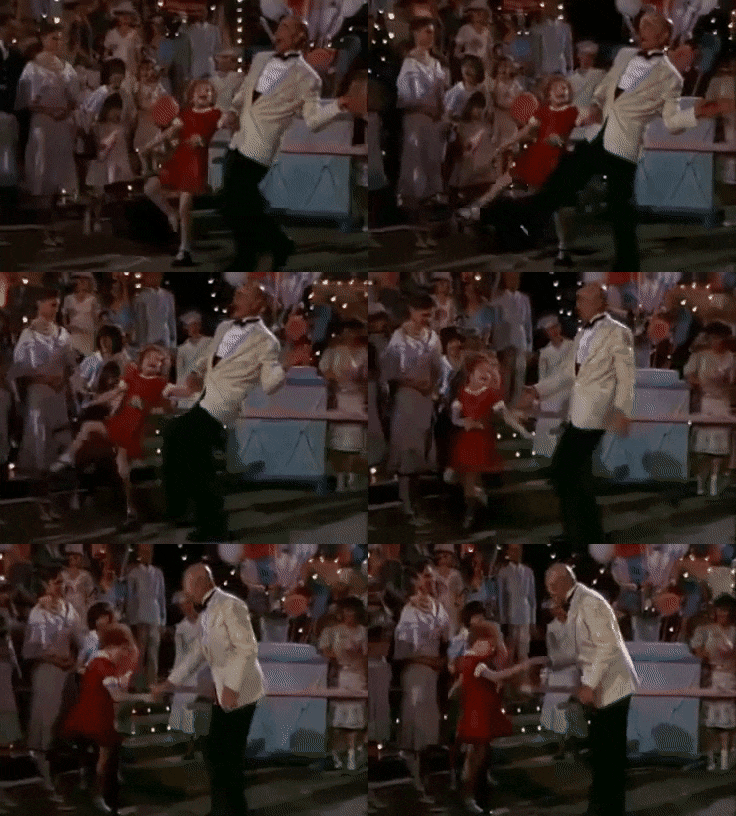
Annie 1982
Annie is a 1982 American musical comedy-drama based on the 1977 Broadway musical of the same name by Charles Strouse, Martin Charnin and Thomas Meehan, which in turn is based on the Little Orphan Annie comic strip created by Harold Gray.
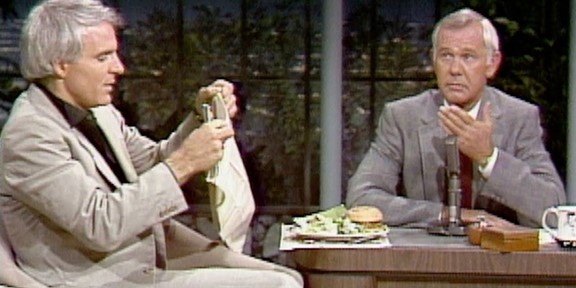
Steve Martin Eating Dinner on The Tonight Show in 1980
On September 26, 1980, Steve Martin dropped by the Tonight Show Starring Johnny Carson. Steve Martin always did something different/crazy when he…