🥬👶 Cabbage Patch Kids: The 1980s Toy Craze That Changed Pop Culture Forever
Few toys define the 1980s as powerfully as Cabbage Patch Kids — the soft‑sculpted, adoptable dolls that sparked one of the biggest consumer frenzies in retail history. From their humble handmade beginnings to the nationwide mania of 1983, these chubby‑cheeked dolls became a cultural phenomenon, a holiday obsession, and a beloved part of childhood for millions. For any 1980s nostalgia website, the story of Cabbage Patch Kids is essential: it captures the decade’s creativity, consumer culture, and unforgettable fads.
This in‑depth guide explores the origins, evolution, marketing genius, 1983 craze, and lasting legacy of Cabbage Patch Kids — grounded in authoritative sources including Wikipedia, HISTORY, and First for Women.
🌱 The Origins: From Handmade Art to a Toy Empire
The story begins not in a corporate boardroom, but in the imagination of a young Georgia art student.
🎨 Xavier Roberts and the “Little People” (1976–1981)
Cabbage Patch Kids were inspired by the Little People soft‑sculpture dolls created by artist Xavier Roberts in the late 1970s. Using Appalachian quilting and German soft‑sculpture techniques, Roberts hand‑stitched each doll using a method called needle molding, giving every doll a unique face and personality.
These early dolls:
- Were handmade
- Came with birth certificates and adoption papers
- Sold for $60 to $1,000 as collectibles
- Were marketed as “adoptable,” not purchasable
Roberts first sold them at arts and crafts fairs before opening BabyLand General Hospital in Cleveland, Georgia — a converted medical clinic where customers could “adopt” dolls in a whimsical hospital‑themed environment.
This immersive adoption concept would later become the heart of the brand.
🥬 The Birth of the Cabbage Patch Kids Brand (1982)
In 1981, Roberts partnered with designer and licensing agent Roger L. Schlaifer, who saw the potential to turn the Little People into a global children’s brand. Because Fisher‑Price already owned the name “Little People,” Schlaifer renamed the dolls Cabbage Patch Kids.
Schlaifer also created the fantastical origin story that became part of the brand’s charm:
- Magical BunnyBees pollinate cabbages with crystals
- Babies are “born” from special cabbages
- A young Xavier discovers the magical Cabbage Patch by following a BunnyBee behind a waterfall
This whimsical lore helped position the dolls as more than toys — they were characters with a world of their own.
🧸 Coleco Takes Over: Mass Production Begins (1982–1983)
In 1982, toy manufacturer Coleco acquired the rights to mass‑produce Cabbage Patch Kids. The dolls were redesigned with:
- Soft cloth bodies
- Vinyl heads
- Distinctive round faces
- Yarn or synthetic hair
- Unique names and birth certificates
Coleco launched the dolls nationally in 1983, and what happened next became retail legend.
🛍️ The 1983 Cabbage Patch Kids Craze: A Toy Fad Like No Other
When Cabbage Patch Kids hit store shelves in 1983, they triggered a nationwide buying frenzy unlike anything the toy industry had ever seen.
According to HISTORY, the dolls “sold out instantly,” creating a supply‑and‑demand crisis that led to stampedes, fistfights, and near‑riots across the United States.
🧨 Chaos in the Toy Aisles
Parents:
- Lined up for hours in freezing weather
- Fought over limited stock
- Rushed stores in massive crowds
- Trampled displays and other shoppers
One of the most infamous incidents occurred in Wilkes‑Barre, Pennsylvania, where 1,000 people surged into a Zayre department store. Five people were hospitalized, including one with cracked ribs and a broken leg.
Store managers resorted to:
- Numbered tickets
- Police barricades
- Standing on counters with baseball bats to control crowds
Toy historian Rob Goldberg described the craze as unprecedented, noting that no other toy had ever inspired such physical chaos among shoppers.
📈 Record‑Breaking Success
Cabbage Patch Kids became:
- The top‑selling toy of 1983
- A record‑setting brand that broke every toy industry sales record for three consecutive years
- One of the most popular licensed children’s products of the entire decade
By the mid‑1980s, the dolls were everywhere — in homes, schools, TV shows, magazines, and even on the covers of major newspapers.
🎁 The Adoption Experience: A Marketing Masterpiece
One of the most innovative aspects of the brand was the adoption concept.
Every doll came with:
- A unique name
- A birth certificate
- Adoption papers
- A personal backstory
This made children feel like they were welcoming a new family member, not just receiving a toy.
As Margaret McLean of Cabbage Patch headquarters explained, the dolls became part of family history because families “worked together and sacrificed a lot” to find one during the craze.
🧵 The Look: What Made Cabbage Patch Kids So Distinctive
The dolls were instantly recognizable thanks to:
- Round, chubby faces
- Dimpled cheeks
- Soft cloth bodies
- Yarn or synthetic hair
- Big, wide‑eyed expressions
- Signature outfits
Each doll was unique, which added to the excitement — no two were exactly alike.
🧸 Beyond Dolls: A Full‑Fledged 1980s Brand
By the mid‑1980s, Cabbage Patch Kids expanded into:
- Clothing
- Bedding
- Board games
- Record albums
- Animated specials
- Lunchboxes
- Trading cards
The brand became one of the longest‑running doll franchises in U.S. history.
🏭 The Companies Behind the Craze
Over the decades, Cabbage Patch Kids have been produced by several major toy companies:
| Years | Company | Notes |
|---|---|---|
| 1982–1988 | Coleco | Original mass‑market dolls; peak craze years |
| 1988–1994 | Hasbro | Took over after Coleco’s bankruptcy |
| 1994–2003 | Mattel | Introduced new styles and accessories |
| 2003 | Toys “R” Us | Exclusive line |
| 2004–2011 | Play Along | Revived nostalgia lines |
| 2011–2014 | Jakks Pacific | Modern redesigns |
| 2015–present | Wicked Cool Toys | Current manufacturer |
🧒 Why Kids Loved Them
Cabbage Patch Kids appealed to children because they were:
- Soft and huggable
- Unique and personalized
- Presented as “real” babies
- Part of a magical world
- Supported by stories, cartoons, and accessories
The adoption narrative gave kids a sense of responsibility and emotional connection.
📰 Cabbage Patch Kids in Pop Culture
The dolls appeared in:
- TV specials
- Commercials
- News reports
- Parodies
- Holiday gift guides
- Celebrity collections
They became a symbol of 1980s consumer culture — both its creativity and its excess.
🏛️ BabyLand General Hospital: A Tourist Destination
The original BabyLand General Hospital in Georgia still operates today as:
- A showroom
- A museum
- A live “birthing” experience for new dolls
Fans can watch “Mother Cabbage” deliver new Kids in a whimsical, hospital‑themed setting — a tradition dating back to the 1970s.
🌟 The Legacy: Why Cabbage Patch Kids Still Matter
Cabbage Patch Kids remain iconic because they represent:
- The biggest toy craze of the 1980s
- A groundbreaking marketing concept
- A unique blend of art and mass production
- A nostalgic symbol of childhood
- A long‑running franchise still active today
Collectors continue to seek out vintage dolls, especially early Coleco versions and handmade Little People.
🎤 Final Thoughts: A Toy That Defined a Decade
Cabbage Patch Kids weren’t just dolls — they were a cultural movement. They sparked joy, chaos, creativity, and connection. They changed how toys were marketed, how children bonded with their playthings, and how families experienced holiday shopping.
For any 1980s nostalgia website, the story of Cabbage Patch Kids is essential: it captures the heart of the decade — bold, imaginative, emotional, and unforgettable.
Sources:
Cabbage Patch Kids – Wikipedia
HISTORY – What Fueled the 1983 Cabbage Patch Kid Craze?
First for Women – Cabbage Patch Kids Timeline

 Amazon.com
$41.37
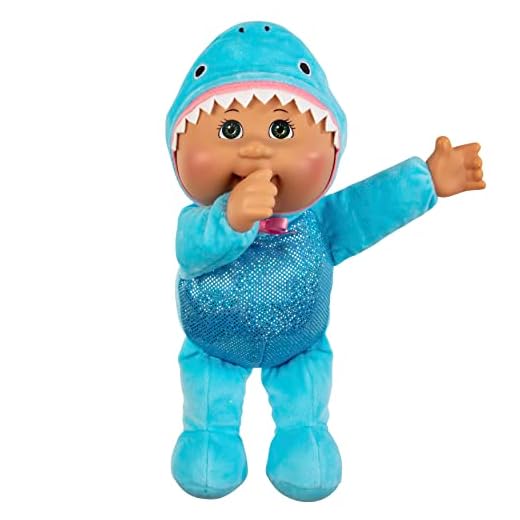
Cabbage Patch Kids Cutie Stanley Shark, 9" - Collectible, Adoptable Baby Doll Toy - Officially Licensed - Easter Gift for Girls and Boys
-9%
Amazon.com
$41.37
Cabbage Patch Kids Cutie Stanley Shark, 9" - Collectible, Adoptable Baby Doll Toy - Officially Licensed - Easter Gift for Girls and Boys
-9%
 Amazon.com
$34.39
Amazon.com
$34.39
$37.92
Cabbage Patch Kids 9" Cutie Space Friends - Mercury Monkey
-5%
 Amazon.com
$34.40
Amazon.com
$34.40
$36.56
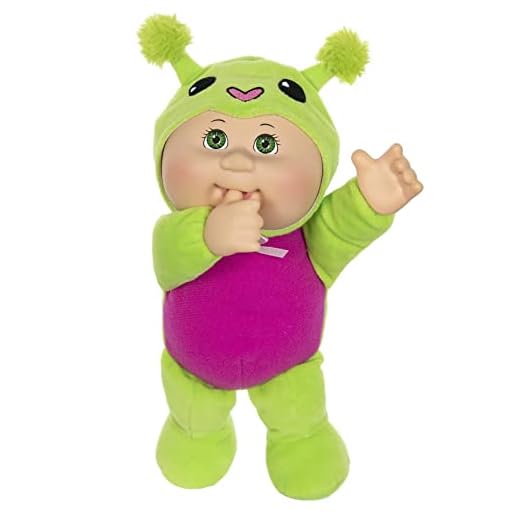
Cabbage Patch Kids 9" Cutie Space Friends - Aries Alien
READ MORE ON THE 1980’S
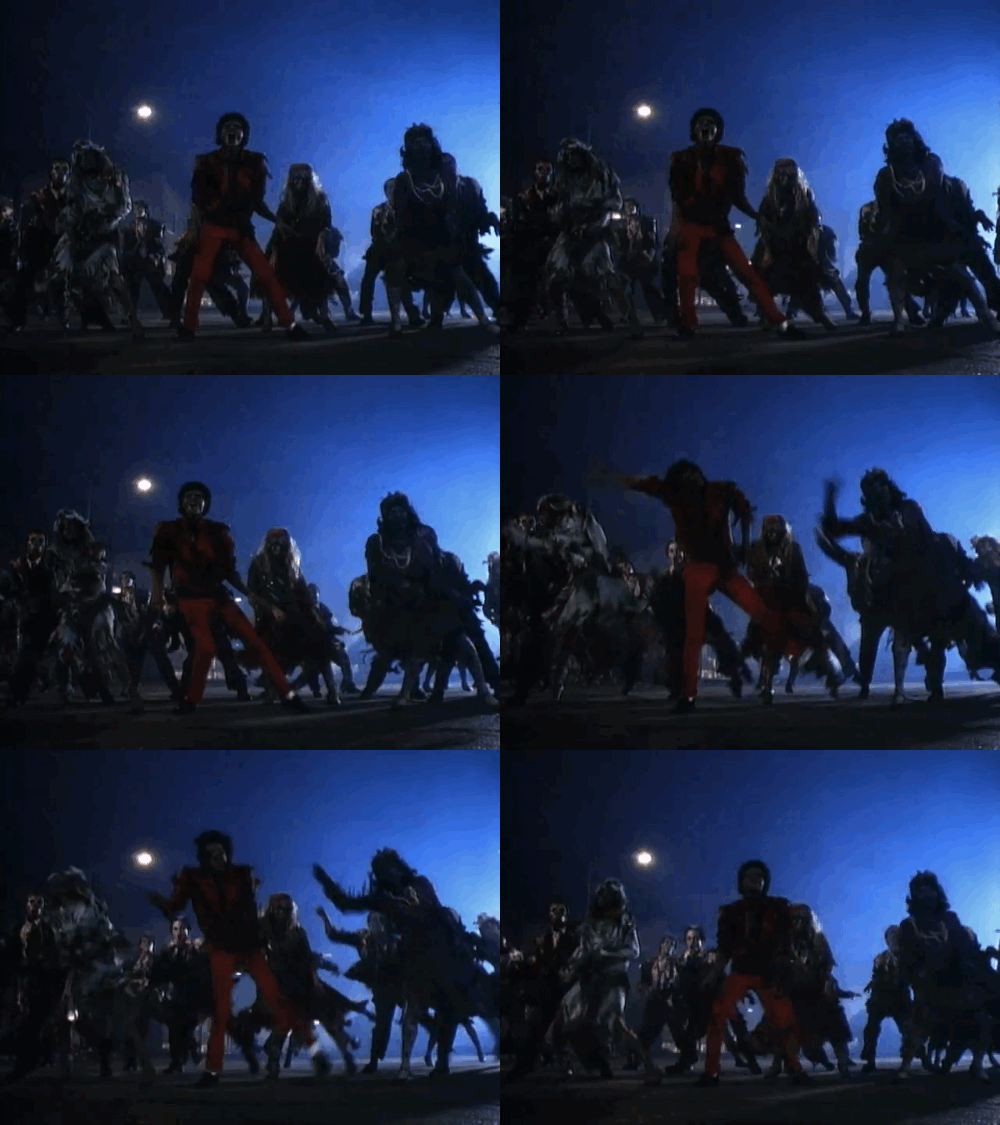
Michael Jackson – Thriller
Michael Jackson’s 14-minute short film “Thriller” revolutionized the music video genre forever.
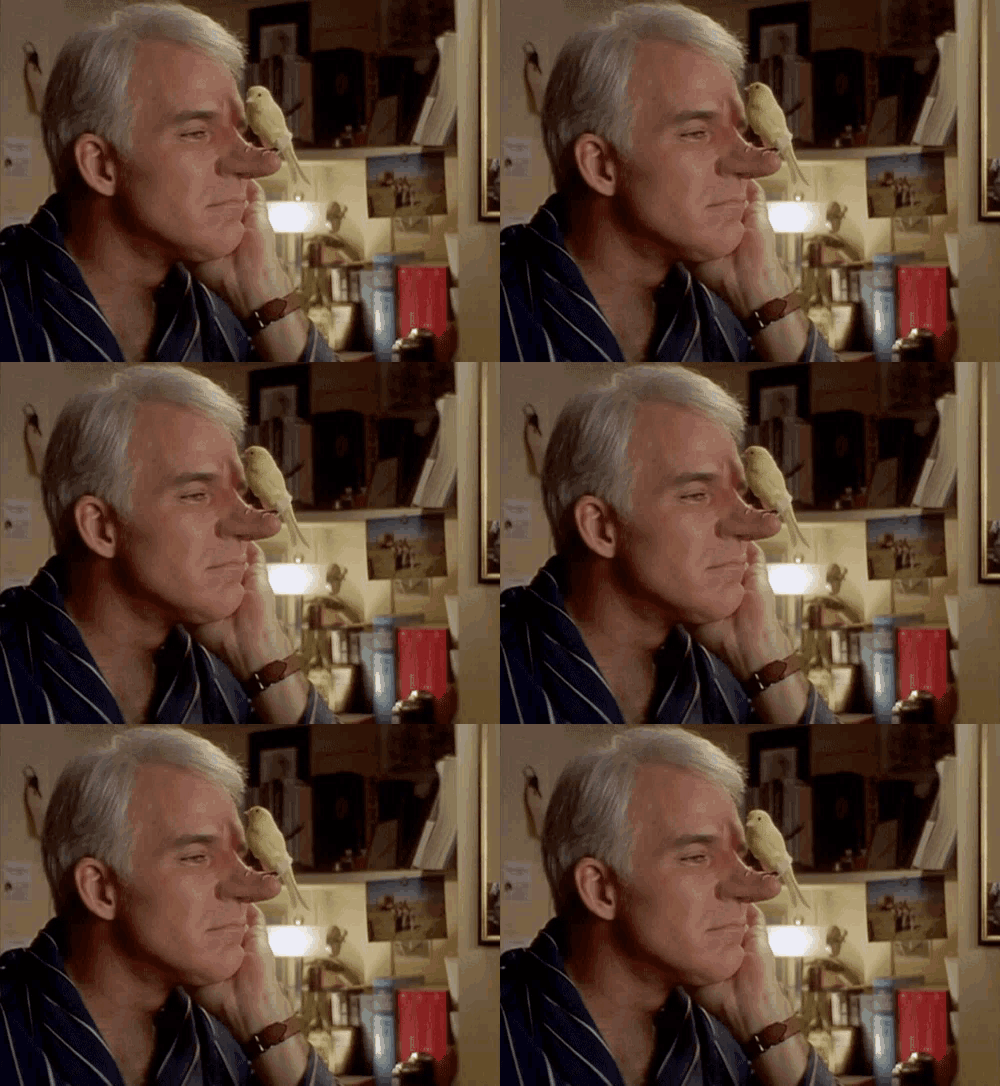
ROXANNE 1987 – Trailer
Roxanne is a 1987 American romantic comedy film directed by Fred Schepisi and starring Steve Martin and Daryl Hannah. It is a modern retelling of Edmond Rostand’s 1897 verse play Cyrano de Bergerac, adapted by Steve Martin. Rostand is mentioned in the opening credits.
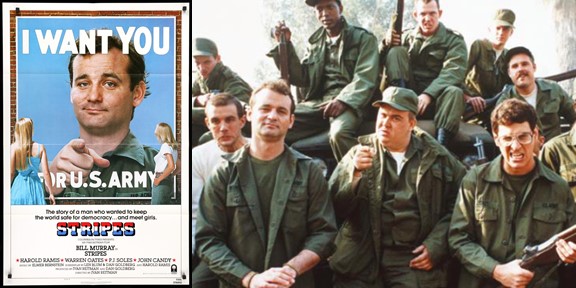
Stripes 1981
Stripes is a 1981 American war comedy film directed by Ivan Reitman and starring Bill Murray, Harold Ramis, Warren Oates, P. J. Soles, Sean Young, and John Candy.
45 Minutes of Unedited MTV Music Television with VJ Mark Goodman from 1982
43 Minutes of Unedited MTV Music Television from October 1982 with VJ Mark Goodman.