Jessie’s Girl: The Story Behind Rick Springfield’s Iconic 80s Anthem
Few songs capture the emotional energy, storytelling charm, and pure pop‑rock brilliance of the 1980s quite like “Jessie’s Girl” by Rick Springfield. Released in 1981 as part of his breakthrough album Working Class Dog, the song became an instant classic — a power‑pop anthem built on longing, jealousy, and the universal sting of wanting someone you can’t have. It remains one of the most recognizable tracks of the decade, a staple of retro playlists, karaoke nights, and 80s nostalgia culture.
But behind the catchy hook and unforgettable chorus lies a surprisingly personal story — one rooted in real‑life unrequited love, slow‑burn chart success, and a moment that changed Rick Springfield’s career forever.
Let’s dive deep into the history, meaning, and cultural impact of “Jessie’s Girl”, one of the most enduring songs of the 80s.
🎸 The Origins of “Jessie’s Girl”: A Real Crush, A Real Friend, A Real Story
Unlike many pop hits of the era, “Jessie’s Girl” wasn’t crafted in a boardroom or written to chase a trend. It came straight from Rick Springfield’s own life — a moment of raw emotion that sparked one of the decade’s biggest hits.
According to Springfield, the song was inspired by a woman he met while taking a stained‑glass class in Pasadena. He befriended a guy named Gary, who attended the class with his girlfriend. Springfield quickly found himself infatuated with her — but she wasn’t interested. The longing, frustration, and emotional tension he felt became the foundation of the song Songfacts.
Springfield later explained that he changed the boyfriend’s name from Gary to Jessie because “Gary didn’t sing very well” in the lyrics Songfacts. The name “Jessie” came from a T‑shirt worn by a football player in a magazine ad he saw around the same time.
This small moment of inspiration — a crush, a class, and a name swap — became the spark for one of the most iconic songs of the decade.
🎶 The Release: A Slow Climb to the Top
“Jessie’s Girl” was released in February 1981 as the lead single from Working Class Dog Wikipedia. But unlike many chart‑toppers of the era, it didn’t explode immediately.
The song debuted on the Billboard Hot 100 on March 28, 1981, but it took 19 weeks to reach No. 1 — one of the slowest climbs to the top in chart history at the time Wikipedia. It finally hit No. 1 on August 1, 1981, cementing Springfield’s place in pop‑rock history.
This slow‑burn success is part of what makes the song so special. It wasn’t a manufactured hit — it was a song that listeners discovered, shared, and fell in love with over time.
🎤 The Sound: Power Pop Perfection
Musically, “Jessie’s Girl” is a masterclass in 80s power pop. It blends rock‑driven guitar riffs with bright, punchy production and Springfield’s emotionally charged vocals. The song’s structure is simple but effective:
- A catchy guitar intro
- A narrative‑driven verse
- A tension‑building pre‑chorus
- And one of the most iconic choruses of the decade
The chorus — “You know I wish that I had Jessie’s girl” — is instantly memorable, relatable, and endlessly singable. It’s the kind of hook that lodges itself in your brain after one listen.
Producer Keith Olsen, known for his work with Fleetwood Mac and Pat Benatar, helped shape the song’s crisp, radio‑ready sound Wikipedia. The result is a track that feels both deeply personal and universally accessible.
💔 The Theme: Unrequited Love at Its Most Relatable
At its core, “Jessie’s Girl” is a song about longing — the painful, frustrating, almost obsessive desire for someone who is already taken. Springfield’s lyrics paint a vivid picture of a guy watching his friend’s girlfriend from the sidelines, imagining what it would be like to be with her.
The song’s emotional honesty is part of what makes it timeless. Everyone has experienced unrequited love at some point — and Springfield captures that feeling with raw authenticity.
Lines like:
- “And she’s watching him with those eyes”
- “And he’s holding her in his arms late, late at night”
…hit hard because they’re so real. They’re the thoughts you have but never say out loud.
📺 The Music Video: Early MTV Magic
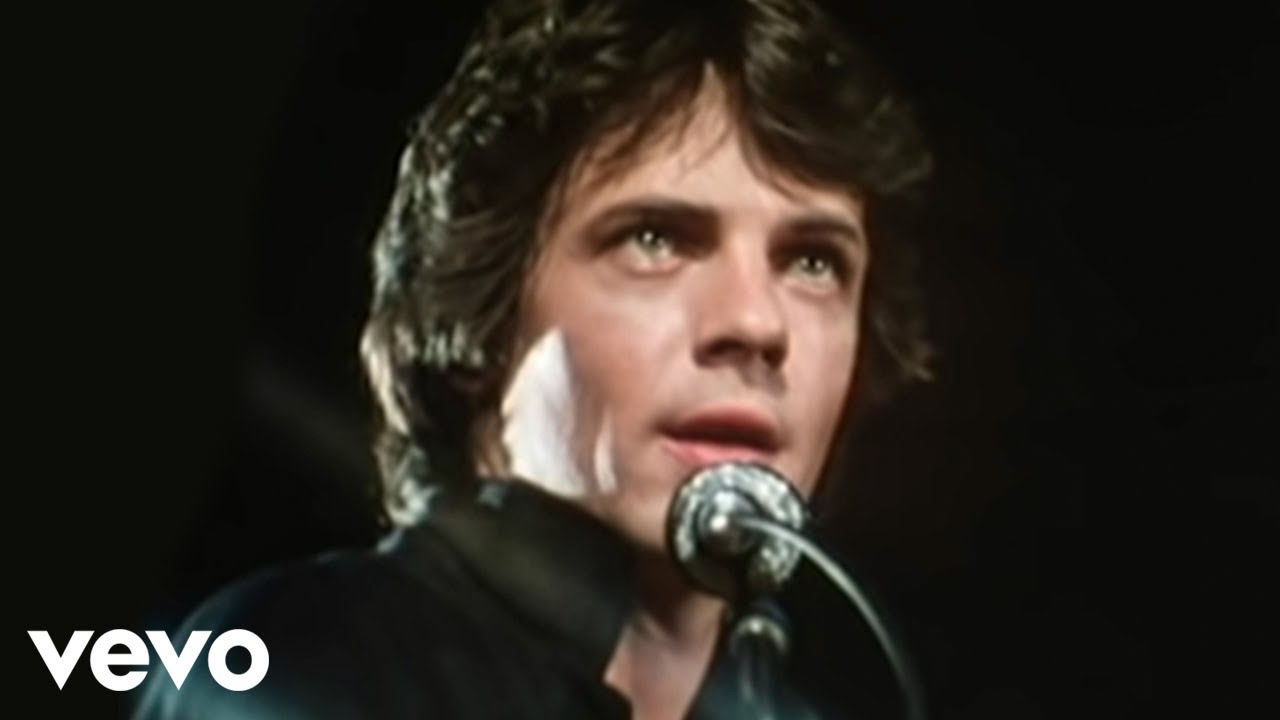
The music video for “Jessie’s Girl” became a staple of early MTV rotation. Released in 1981, it features Springfield performing the song intercut with scenes of him pining after a woman in a mirror — a visual metaphor for longing and fantasy.
While simple by today’s standards, the video helped propel the song’s popularity. MTV was still new, and artists who embraced the format early gained a massive advantage.
Springfield’s charisma, rock‑star energy, and relatable storytelling made the video a perfect fit for the emerging music‑video era.
🌟 Cultural Impact: A Song That Never Faded
More than four decades after its release, “Jessie’s Girl” remains one of the most beloved songs of the 80s. Its impact spans generations and media formats.
1. A Karaoke Staple
Few songs get a crowd going like “Jessie’s Girl.” Its catchy chorus and emotional punch make it a go‑to choice for karaoke nights.
2. Movie and TV Appearances
The song has appeared in countless films and shows, including:
- Boogie Nights
- 13 Going on 30
- Glee
- Rick and Morty
Each appearance introduces the song to a new generation.
3. A Pop‑Culture Reference Point
“Jessie’s Girl” has become shorthand for unrequited love in pop culture. Even people who don’t know Rick Springfield know the chorus.
4. Springfield’s Signature Song
Despite a long career, Springfield will always be most associated with this track — and he embraces that legacy.
🎵 Why “Jessie’s Girl” Still Resonates Today
The staying power of “Jessie’s Girl” comes down to a few key factors:
1. It’s Emotionally Honest
The song taps into a universal feeling — wanting someone you can’t have.
2. It’s Musically Timeless
The guitar‑driven power‑pop sound still feels fresh and energetic.
3. It’s Incredibly Catchy
The chorus is unforgettable. Once you hear it, it sticks.
4. It’s Pure 80s Magic
From the production to the storytelling, it embodies everything people love about 80s music.
🎤 Rick Springfield: From Struggling Musician to 80s Icon
Before “Jessie’s Girl,” Springfield had been recording music for years with limited success. He even considered leaving music altogether and explored other jobs to make ends meet Parade.
But the success of “Jessie’s Girl” changed everything. It launched him into stardom, earned him a Grammy Award for Best Male Rock Vocal Performance, and helped establish him as one of the defining artists of the early 80s.
His album Working Class Dog became a major hit, and Springfield went on to release a string of successful singles throughout the decade.
🎧 The Legacy of “Jessie’s Girl”
Today, “Jessie’s Girl” stands as one of the most iconic songs of the 1980s — a track that perfectly captures the decade’s blend of emotional storytelling, rock energy, and pop sensibility.
It’s more than just a hit song. It’s a cultural touchstone.
- It’s the soundtrack to countless memories.
- It’s a symbol of 80s nostalgia.
- It’s a reminder that sometimes the most personal stories become the most universal.
And above all, it’s a song that still gets people singing at the top of their lungs.
⭐ Final Thoughts: Why “Jessie’s Girl” Belongs in Every 80s Music Collection
Whether you’re building an 80s music website, curating a retro playlist, or simply revisiting the decade’s greatest hits, “Jessie’s Girl” is essential. It represents everything that made the 80s unforgettable:
- Emotional storytelling
- Catchy hooks
- Rock‑pop fusion
- MTV‑era charisma
- And a timeless chorus that never gets old
Rick Springfield may not have known the girl’s real name, but he created a song that the world would never forget.